
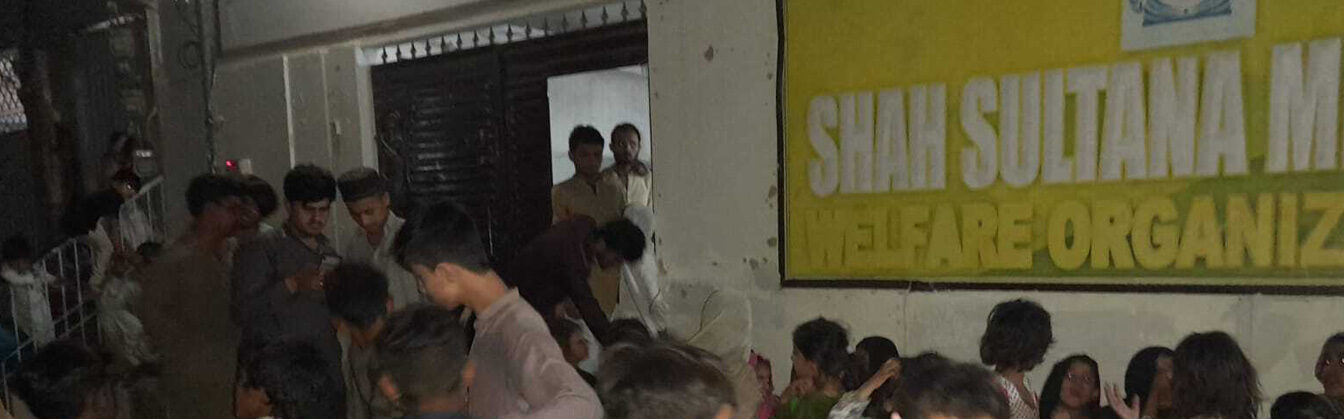
Zakat & Sadaqah
Shah Sultana Memorial Welfare Organisation accepts Zakat and Sadaqah contributions to support eligible individuals, patients, children and families facing financial hardship.
Your contribution can help provide food, essential medicines, medical assistance, educational support and emergency relief to deserving beneficiaries.
We aim to distribute welfare assistance respectfully and responsibly while protecting the dignity and privacy of the people receiving support.
Give with Compassion and Responsibility
Zakat and Sadaqah provide an opportunity to support people who are unable to meet their essential daily needs.
Many deserving families face difficulties because of unemployment, illness, disability, old age, loss of an earning family member or unexpected emergencies. Your contribution can reduce their hardship and provide practical assistance during a difficult period.
What Is Zakat?
Zakat is an obligatory form of charity for eligible Muslims who meet the applicable financial requirements.
It is intended to support eligible beneficiaries and helps promote compassion, responsibility and social welfare within the community.
Donors should calculate their Zakat according to their personal financial circumstances and seek guidance from a qualified Islamic scholar when necessary.
What Is Sadaqah?
Sadaqah is a voluntary charitable contribution that may be given at any time and in any suitable amount.
It may be used to provide food, medicines, education, community support and emergency relief to people in need.
Sadaqah May Be Given
- For the relief of a deserving family
- For the recovery of a patient
- On behalf of parents or family members
- In memory of a loved one
- As a general act of kindness
- For a selected welfare programme
- During Ramadan or another meaningful occasion
Difference Between Zakat and Sadaqah
Zakat
- Zakat is obligatory for eligible Muslims.
- It is calculated according to applicable Islamic requirements.
- It must be distributed among eligible beneficiaries.
- The donor should clearly identify the contribution as Zakat.
Sadaqah
- Sadaqah is voluntary.
- It may be given in any suitable amount.
- It may be contributed at any time.
- It can support a wide range of welfare activities.
Who May Receive Zakat Assistance?
Zakat is distributed only among beneficiaries considered eligible according to applicable Islamic requirements and the information available during the welfare assessment.
Eligible Beneficiaries May Include
- Low-income individuals and families
- Widows without sufficient financial support
- Orphans and vulnerable children
- Deserving patients unable to afford treatment
- Elderly people without a suitable source of income
- People with disabilities facing financial hardship
- Families affected by unemployment
- People facing serious debt-related hardship
- Families affected by emergencies or disasters
- Other eligible welfare cases
Every request is subject to review. Providing information does not automatically guarantee financial assistance.
How Your Zakat Can Help
Food & Ration Support
Zakat may help eligible families receive essential food and ration supplies.
- Monthly ration packages
- Ramadan ration assistance
- Emergency food support
- Food assistance for widows and elderly people
Medical Assistance
Zakat may support eligible patients who cannot afford essential healthcare services.
- Doctor consultations
- Laboratory tests
- Diagnostic procedures
- Selected treatment expenses
- Urgent medical support
Medical Pharmacy Support
Zakat may help eligible patients purchase essential medicines prescribed by qualified healthcare professionals.
- One-time prescribed medicines
- Monthly medicines for chronic patients
- Medicines for elderly individuals
- Medicines for deserving children
- Post-hospital medication
Education & Children Support
Eligible children may receive educational assistance through Zakat according to their family circumstances and applicable requirements.
- School books
- Notebooks and stationery
- School bags
- Uniforms and shoes
- Selected educational expenses
Community Welfare Support
Zakat may assist eligible widows, elderly people, people with disabilities and vulnerable households.
- Basic household necessities
- Food and clothing
- Medical and pharmacy support
- Support for dependent children
- Urgent family assistance
Emergency Relief
Eligible families affected by fire, flooding, illness, displacement or another emergency may receive Zakat assistance.
- Emergency ration
- Drinking water
- Medicines
- Clothing and blankets
- Essential household items
How Your Sadaqah Can Help
Sadaqah may be contributed towards a specific welfare programme or the organisation’s general welfare activities.
Sadaqah May Support
- Food and ration distribution
- Qurbani or meat distribution
- Medical assistance
- Medical pharmacy support
- Education and children support
- Community welfare activities
- Emergency relief
- Other approved welfare needs
General Zakat Fund
A contribution to the General Zakat Fund may be used for an urgent and eligible welfare case identified by the organisation.
The General Zakat Fund May Support
- An eligible family requiring food
- A deserving patient requiring treatment
- A patient needing prescribed medicines
- A widow facing household hardship
- An eligible child requiring educational support
- A family affected by an emergency
Please clearly mention that your contribution is Zakat when sending or confirming the donation.
General Sadaqah Fund
A General Sadaqah contribution allows the organisation to direct support towards an urgent welfare need.
The General Sadaqah Fund May Support
- Ration distribution
- Community meals
- Medical and pharmacy assistance
- Children’s educational needs
- Clothing and household items
- Emergency relief supplies
Zakat for Food & Ration Distribution
Eligible families may receive essential food packages through Zakat contributions.
A Ration Package May Include
- Flour
- Rice
- Cooking oil
- Sugar
- Pulses
- Tea
- Salt and basic spices
- Other essential household food items
Zakat for Medical Assistance
Healthcare costs can become a serious burden for low-income patients. Zakat may help eligible patients receive necessary medical services.
Medical Support May Include
- Medical consultation fees
- Laboratory tests
- Diagnostic examinations
- Selected hospital expenses
- Basic medical supplies
- Urgent healthcare assistance
Zakat for Medicines
Many patients discontinue treatment because they cannot afford prescribed medicines. Zakat may support eligible patients with essential pharmacy expenses.
Medicine Assistance May Include
- A complete prescription
- One or more necessary medicines
- Monthly medication
- Medicines for elderly patients
- Medicines for children
- Urgent medicines after hospital discharge
Zakat for Widows
Widows with limited income may struggle to manage food, medicines, children’s education and basic household expenses.
Zakat Support for Widows May Include
- Monthly ration
- Medical and pharmacy assistance
- Educational support for children
- Basic household necessities
- Emergency assistance
Zakat for Orphans and Vulnerable Children
Eligible orphans and vulnerable children may receive assistance according to their educational, medical and household needs.
Support May Include
- Food and ration
- School supplies
- Uniforms and shoes
- Medical assistance
- Prescribed medicines
- General child welfare support
Zakat for Elderly People
Elderly people without sufficient income or family assistance may require regular food, medicines and healthcare support.
Support May Include
- Monthly ration
- Prescribed medicines
- Medical tests
- Clothing and blankets
- Basic household supplies
- Mobility-related assistance where possible
Zakat for People with Disabilities
Eligible people with disabilities may receive need-based support for food, healthcare, medicines and essential daily requirements.
Support May Include
- Food and household assistance
- Medical consultations
- Prescribed medicines
- Mobility aids where possible
- Educational assistance
- Emergency welfare support
Zakat for Emergency-Affected Families
Eligible households affected by fire, flooding, displacement, serious illness or another crisis may receive urgent Zakat assistance.
Emergency Support May Include
- Food and drinking water
- Clothing and blankets
- Medicines
- Household necessities
- Temporary welfare assistance
Sadaqah for Food and Community Meals
Your Sadaqah can help provide cooked meals and food packages to people in need.
Food Activities May Include
- Community meal distribution
- Ramadan Iftar meals
- Food for daily-wage workers
- Meals for patients and attendants
- Emergency food distribution
Sadaqah for Medical Help
Sadaqah may be used to support a deserving patient with consultations, tests, treatment or medicines.
Medical Sadaqah May Support
- A doctor consultation
- A diagnostic test
- A prescribed medicine
- Basic patient-care supplies
- An urgent medical need
Sadaqah for Education
Your Sadaqah can provide useful educational items to deserving children.
Education Support May Include
- School books
- Notebooks
- Stationery
- School bags
- Uniforms
- Learning materials
Sadaqah in Memory of a Loved One
You may give Sadaqah in memory of a deceased family member, friend or loved one.
A Memorial Contribution May Support
- Food and ration distribution
- Community meals
- Medical assistance
- Medicines for patients
- Education support
- Emergency relief
Sadaqah on Behalf of Someone
A voluntary contribution may be given on behalf of parents, family members, children, friends or another person.
Please mention the preferred welfare programme when confirming your contribution.
Regular Monthly Zakat or Sadaqah Support
Regular contributions help the organisation provide continued assistance to deserving beneficiaries.
Monthly Support May Help
- Provide ration to an eligible family
- Purchase medicines for a chronic patient
- Support the education of a child
- Assist a widow and her dependents
- Support an elderly person
- Respond to urgent welfare cases
Can I Select a Specific Beneficiary?
Donors may contact the organisation to discuss verified and approved welfare cases.
Where suitable, a donor may support a selected family, patient, child or other eligible beneficiary.
Specific Sponsorship May Include
- Monthly ration for a family
- Medical tests for a patient
- Prescribed medicines
- Educational supplies for a child
- Emergency support for an affected household
How to Give Zakat or Sadaqah
Step 1: Select the Contribution Type
Decide whether your contribution is Zakat, Sadaqah or a general donation.
Step 2: Select a Welfare Programme
Choose a particular programme or contribute to the general Zakat or Sadaqah fund.
Step 3: Confirm Official Donation Details
Use only the official bank or payment details published or confirmed by Shah Sultana Memorial Welfare Organisation.
Step 4: Complete the Donation
Complete your transfer, deposit or approved digital payment.
Step 5: Save the Transaction Record
Keep the transaction receipt, screenshot or reference number.
Step 6: Confirm Your Contribution
Contact the organisation and clearly state whether the donation is Zakat or Sadaqah.
Information to Provide After Donating
- Donor’s name
- Contact number
- Donation amount
- Date of transaction
- Transaction reference number
- Selected welfare cause
- Whether the contribution is Zakat or Sadaqah
Please do not share your banking password, ATM PIN or verification code.
How Welfare Cases Are Reviewed
The organisation may collect basic information to understand the circumstances and eligibility of an applicant.
Case Information May Include
- Applicant’s name and contact details
- Residential area
- Household income
- Number of dependent family members
- Employment circumstances
- Medical information where relevant
- Educational information where relevant
- Type of assistance required
The Review May Consider
- Financial condition of the household
- Urgency of the request
- Medical or disability-related circumstances
- Number of dependents
- Other available support
- Availability of Zakat or Sadaqah funds
Protecting Beneficiary Dignity
We aim to provide Zakat and Sadaqah assistance respectfully and without unnecessary public exposure.
We Aim To
- Communicate respectfully with applicants
- Protect personal and family information
- Avoid unnecessary photographs
- Maintain suitable welfare records
- Distribute assistance fairly
- Avoid discrimination
- Give priority to vulnerable beneficiaries
Responsible Management of Contributions
Contributions identified as Zakat should be managed separately for eligible beneficiaries.
Sadaqah and general donations may be directed towards the selected programme or another approved welfare need where applicable.
Contributions May Be Used For
- Purchasing food and ration items
- Supporting approved medical expenses
- Purchasing prescribed medicines
- Providing educational materials
- Supplying clothing and household necessities
- Preparing emergency relief packages
- Necessary packing, transportation and delivery
Important Religious Guidance
Shah Sultana Memorial Welfare Organisation provides welfare assistance but does not replace personal religious advice.
Donors who require guidance about Zakat calculation, Nisab, eligible assets or another personal religious matter should consult a qualified Islamic scholar.
Donation Security
Use only the official donation details published or confirmed by Shah Sultana Memorial Welfare Organisation.
Never Share
- Banking password
- Mobile banking password
- ATM PIN
- One-time password or OTP
- Debit or credit card security code
Always Confirm
- The organisation’s official contact number
- The official account title
- The account number or IBAN
- The contribution type
- The selected welfare programme
- The transaction amount
Frequently Asked Questions
Can I Give Zakat to the Organisation?
Yes. Zakat may be accepted for distribution among eligible beneficiaries. Please clearly identify your contribution as Zakat.
Can I Give Sadaqah at Any Time?
Yes. Sadaqah may be given at any time and in any suitable amount.
Can I Select a Particular Welfare Programme?
Yes. You may select food support, medical assistance, pharmacy support, education, community welfare or emergency relief.
Can I Sponsor a Specific Family?
Yes. Contact the organisation to discuss available and approved family sponsorship cases.
Can Zakat Be Used for Medicines?
Zakat may support prescribed medicines for eligible and deserving patients.
Can Zakat Support Education?
Educational assistance may be provided to eligible beneficiaries according to applicable requirements.
Can I Give Sadaqah in Memory of Someone?
Yes. You may make a voluntary contribution in memory of a loved one.
Can I Give a Small Amount?
Yes. Every suitable contribution is valuable and may be combined with other donations.
Can I Make a Monthly Contribution?
Yes. Monthly support can help provide regular ration, medicines, education and other ongoing assistance.
Does Every Applicant Receive Assistance?
No. Assistance depends on eligibility, case review, urgency and available funds.
Does the Organisation Calculate Personal Zakat?
Donors should calculate their Zakat according to their own financial circumstances and seek qualified religious guidance when required.
Give Zakat and Sadaqah Today
Your contribution can provide food to a family, medicines to a patient, educational support to a child and relief to someone facing an emergency.
By giving through Shah Sultana Memorial Welfare Organisation, you can support deserving beneficiaries with compassion, dignity and care.
Contact Us
For Zakat and Sadaqah donation methods, eligible welfare cases, transaction confirmation or sponsorship information, please contact Shah Sultana Memorial Welfare Organisation.
Organisation Details
Shah Sultana Memorial Welfare Organisation
President: Abid Saleem Khan
Former President, PIA Senior Staff Association
Address
A-66, Qabil Colony, Block-II, F.B. Area, Karachi, Pakistan.
Phone Numbers
- Mobile: +92-300-9255101, +92-331-2225101
- Telephone: +92-21-36312211
Email Address
Website
Your Contribution Can Bring Hope
Zakat and Sadaqah can reduce hardship and provide essential support to vulnerable people. Join us in serving deserving families, patients, children and elderly members of our community.